
CASE STUDIES
Wānaka Black House
Auckland, New Zealand
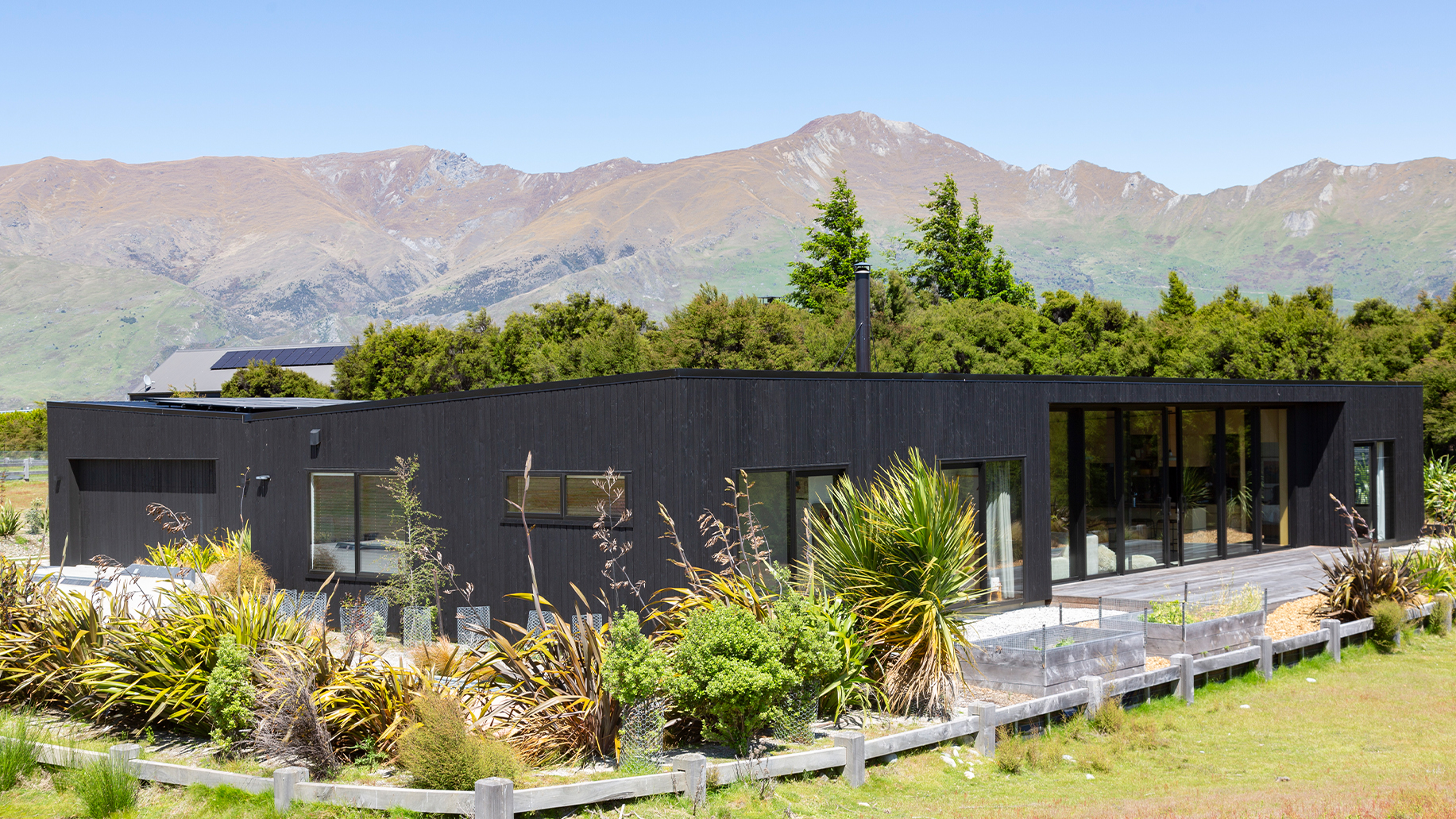
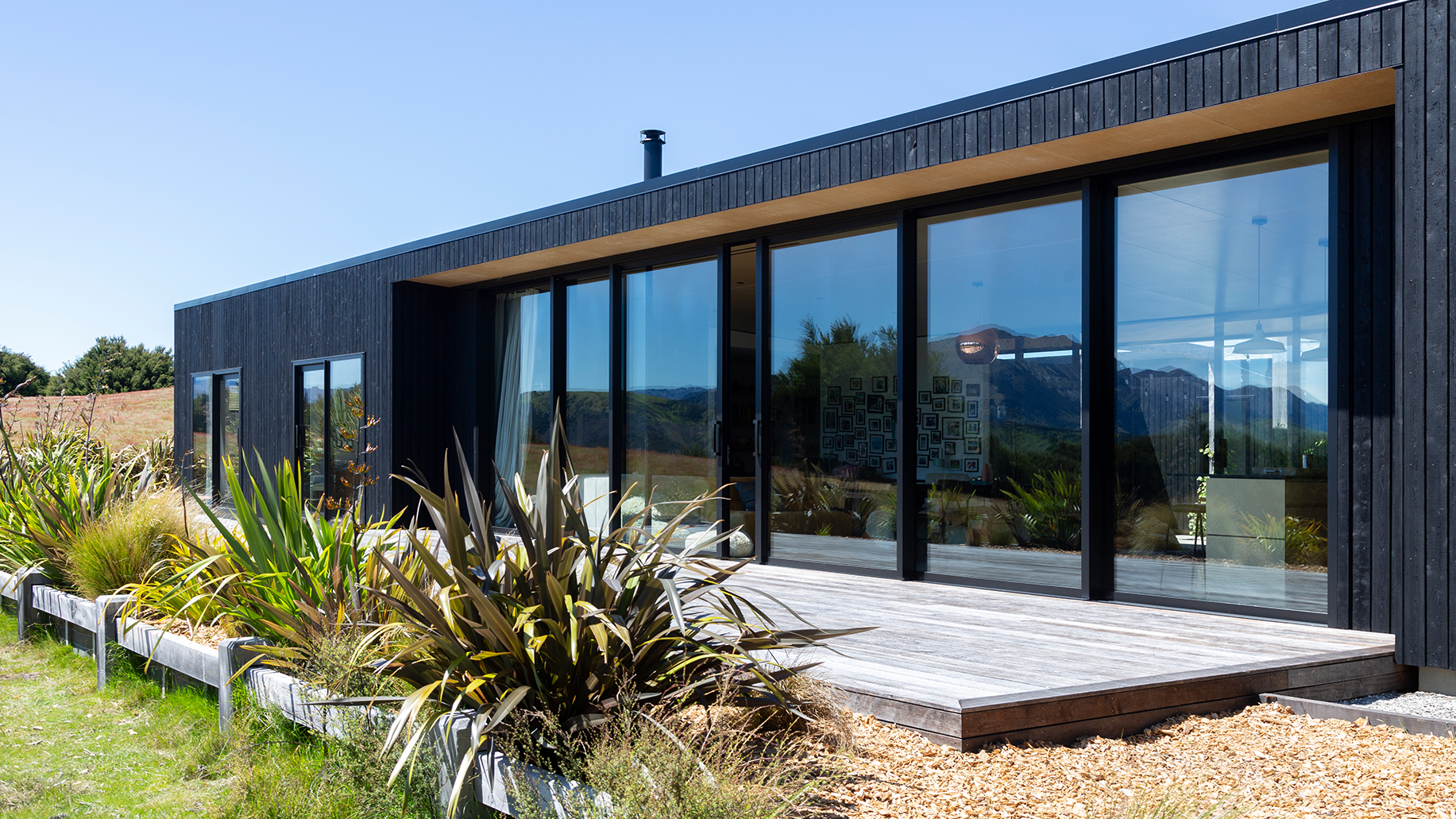
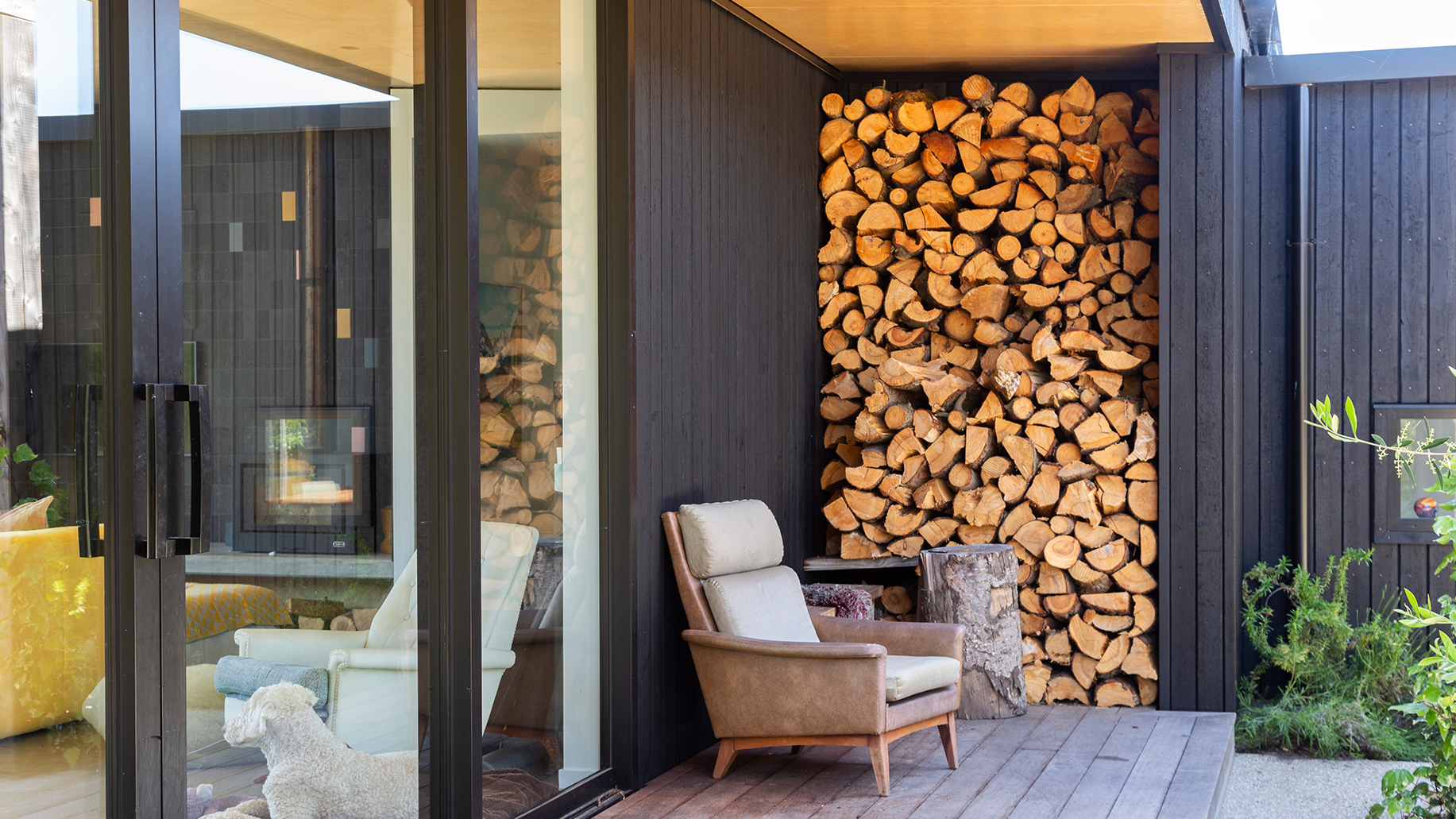
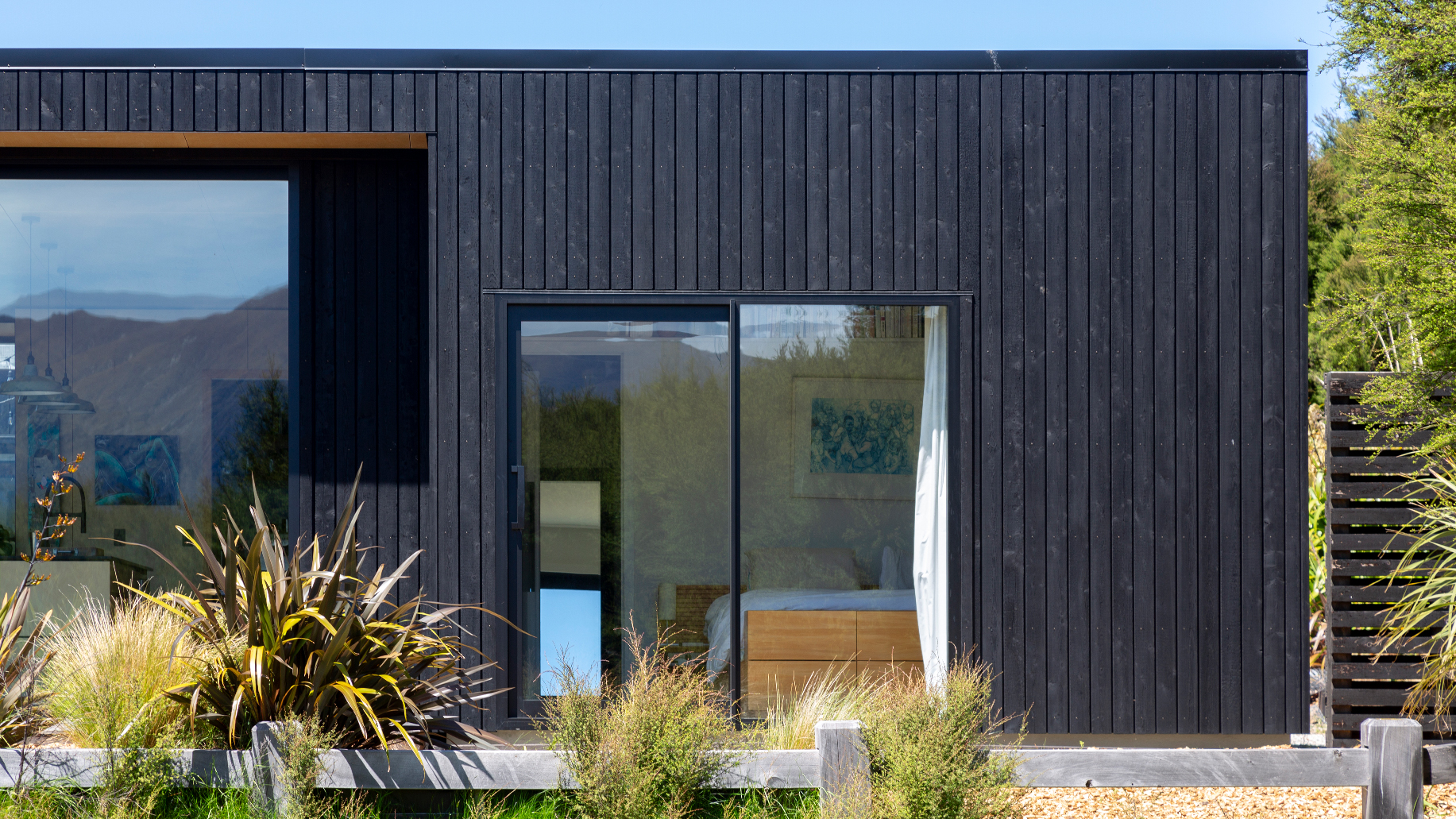
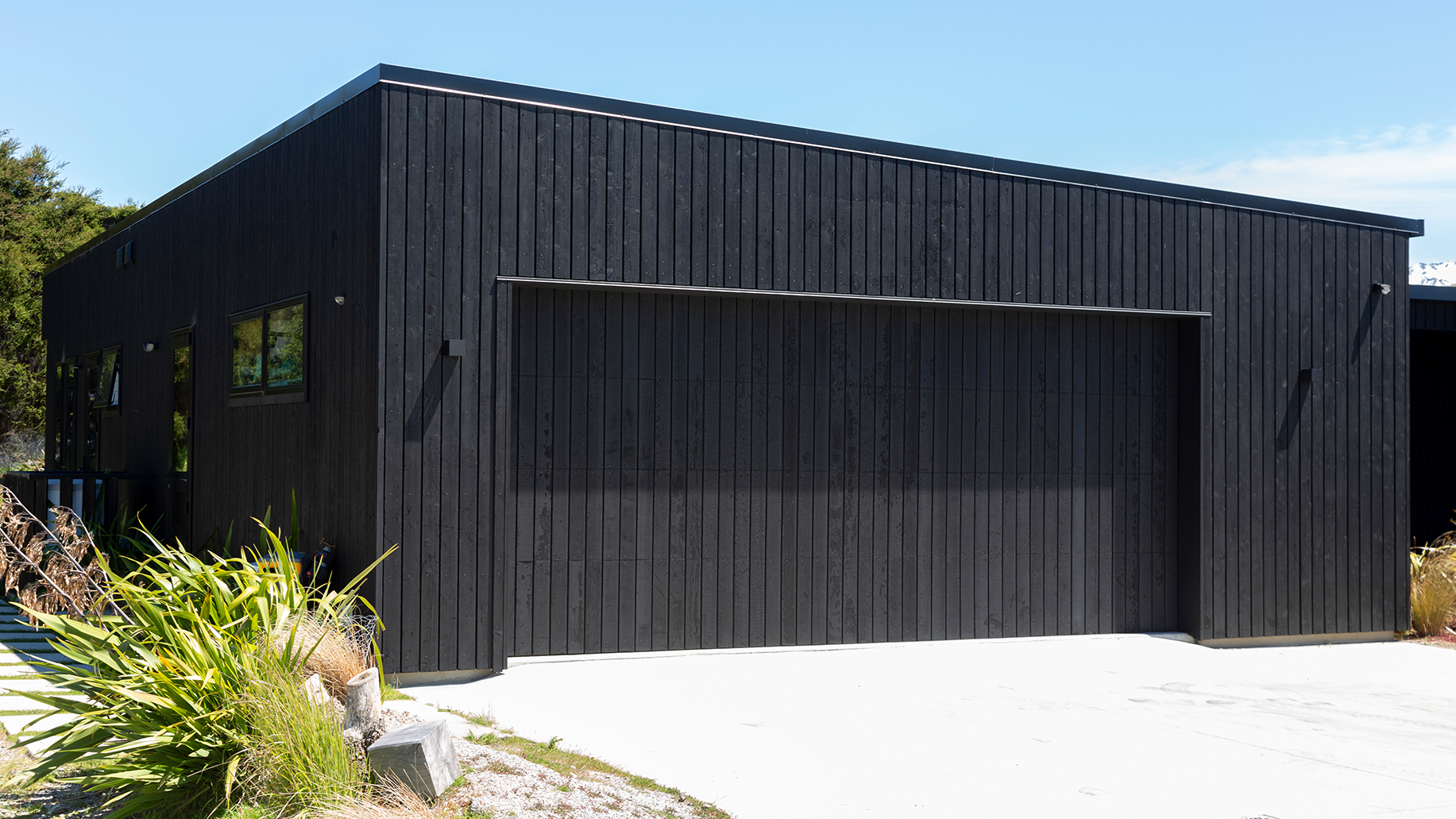
Set against the dramatic alpine backdrop of Wānaka, New Zealand, this striking black residence is designed to sit quietly within the landscape while making a bold architectural statement. The exterior is defined by charred larch cladding, carefully treated by hand to achieve a deep, consistent black finish that complements the surrounding environment.
While charring provides natural resistance to water, UV and decay, the surface continues to weather over time. As the char gradually erodes, underlying wood can be exposed, making long-term protection and stability a key consideration for the homeowners.
CUTEK® wood oil, combined with a double-strength Punga Colourtone, was selected to maintain the rich black appearance while providing enhanced UV protection. Unlike traditional coatings, the oil penetrates deeply into the timber, helping control moisture and reduce movement from within.
The prefabricated timber trusses, each weighing 38 tonnes, were lifted into place on site using New
Zealand’s largest crawler crane. Timber was chosen for its light weight, seismic resilience, and resistance to coastal corrosion, offering advantages over conventional steel construction. rane. Timber was chosen for its light weight, seismic resilience, and resistance to coastal corrosion, offering advantages over conventional steel construction.The prefabricated timber trusses, each weighing 38 tonnes, were lifted into place on site using New Zealand’s largest crawler crane. Timber was chosen for its light weight, seismic resilience, and resistance to coastal corrosion, offering advantages over conventional steel construction. rane. Timber as chosen for its light weight, seismic resilience, and resistance to coastal corrosion, offering advantages over conventional steel construction.
The prefabricated timber trusses, each weighing 38 tonnes, were lifted into place on site using New Zealand’s largest crawler crane. Timber was chosen for its light weight, seismic resilience, and resistance to coastal corrosion, offering advantages over conventional steel construction. rane. Timber was chosen for its light weight, seismic resilience, and resistance to coastal corrosion, offering advantages over conventional steel construction.
The prefabricated timber trusses, each weighing 38 tonnes, were lifted into place on site using New Zealand’s largest crawler crane. Timber was chosen for its light weight, seismic resilience, and resistance to coastal corrosion, offering advantages over conventional steel construction. rane. Timber was chosen for its light weight, seismic resilience, and resistance to coastal corrosion, offering advantages over conventional steel construction. The prefabricated timber trusses, each weighing 38 tonnes, were lifted into place on site using New Zealand’s largest crawler crane. Timber was chosen for its light weight, seismic resilience, and resistance to coastal corrosion, offering advantages over conventional steel construction. rane. Timber was chosen for its light weight, seismic resilience, and resistance to coastal corrosion, offering advantages over conventional steel construction.